-
Products
-
Vegetables
- Asparagus
- Bean
- Bell pepper
- Betterave
- Cabbage
- Celeriac
- Celery
- Champignon
- Chard
- Chicory
- Courgette
- Eggplant
- Fennel
- Garden cress
- Jerusalem artichoke
- Leek
- Lettuce
- Onion
- Parsnip
- Peas
- Peppers
- Pumpkin
- Purslane
- Radish
- Rhubarb
- Root parsley
- Round winter radish
- Salsify
- Spinach
- Sprouts
- Sugar bread
- Sweet corn
- Sweet corn
- Sweet potato
- Tomato
- Turnip
- Watercress
- Zucchiolo
- Fruit
- Herbs
-
Vegetables
- Growers
- Inspiration
- Seasonal calendar
- About us
-
More
 Surprisingly fun

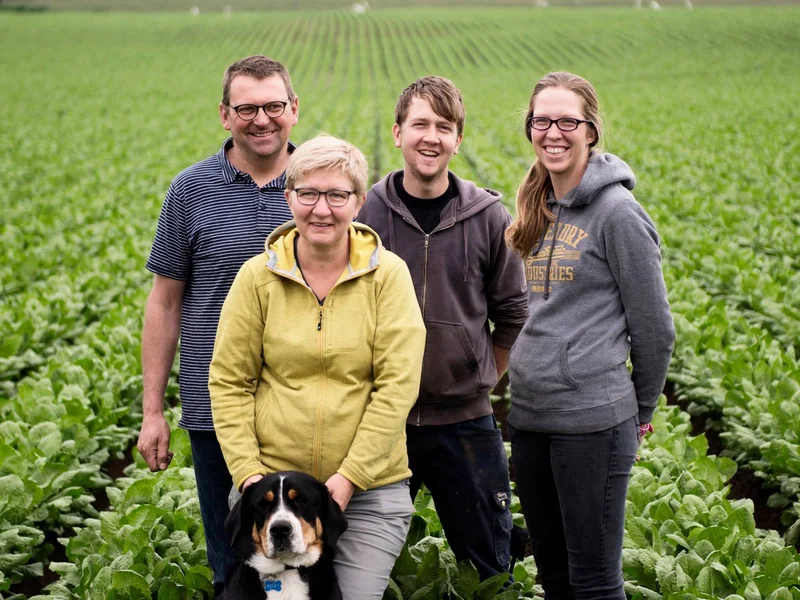
Family Goertz
About Family Goertz
Growing information
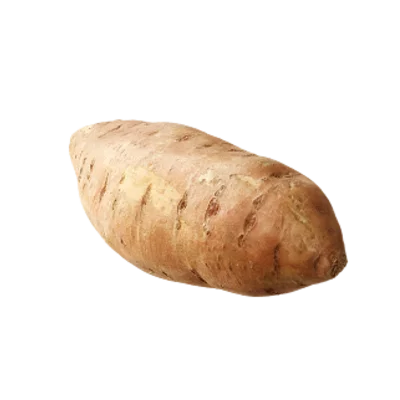
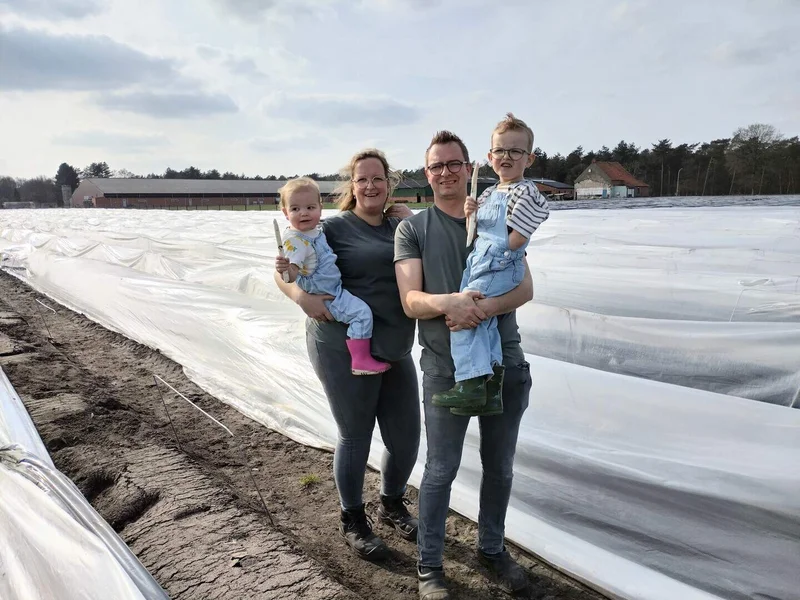
The sweet potato plants are planted with a plastic cover. This is needed to protect them from the cold and from weeds. It’s a manual process and therefore very labour-intensive. The plants are then constantly monitored to ensure they get enough water and weeds don’t get a chance to grow. Weed control is done without any pesticides. The seasonal workers who are already on the farm during the asparagus season also help with weeding.
The busiest time is in August, when the sweet potatoes are harvested. They can be stored all year round thanks to a process called curing. This means that after washing, the sweet potatoes are stored for one week at 30°C so that small harvest wounds can heal naturally. After that, they are stored for another week at 13°C.
Franc gets help from his family and 15 seasonal workers to harvest, sort and pack the sweet potatoes. They are packed in recyclable packaging.
Why choose sweet potatoes?
Franc has been specialising in growing asparagus for several years. After ten years, an asparagus field is ‘worn out’. If you keep growing asparagus there, the quality will never be top-notch again. Sweet potatoes, however, can be grown on these ‘old’ fields.
In 2019, the family visited some sweet potato farmers in the USA. They were instantly enthusiastic.
Anecdote
When the family was planting their sweet potato plants, the neighbours came over to have a look. They didn’t believe it was sweet potatoes, but thought it was strawberries. A ‘regular’ potato plant looks completely different, without plastic cover and so on. The way regular potatoes and sweet potatoes are harvested is very different too.
Looking ahead
Franc is very ambitious and wants to conquer the market with sweet potatoes. He’s noticed that typical sweet potato fans tend to be younger. His goal is to get people of all generations to discover the product in the near future.
Discover more
products

Discover even
more growers
-
Adriaan launched Mulkhof Asparagus in 1987. At first, their main activity was raising piglets, but they were already...
-
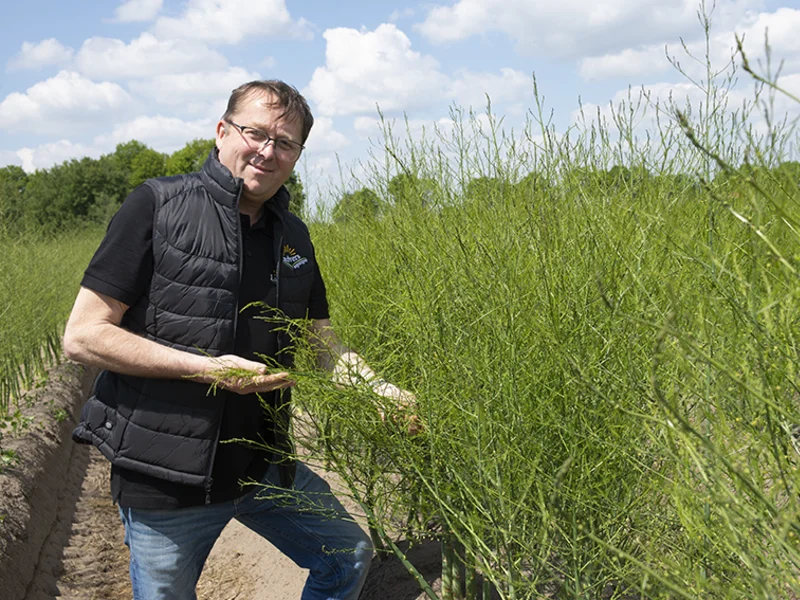
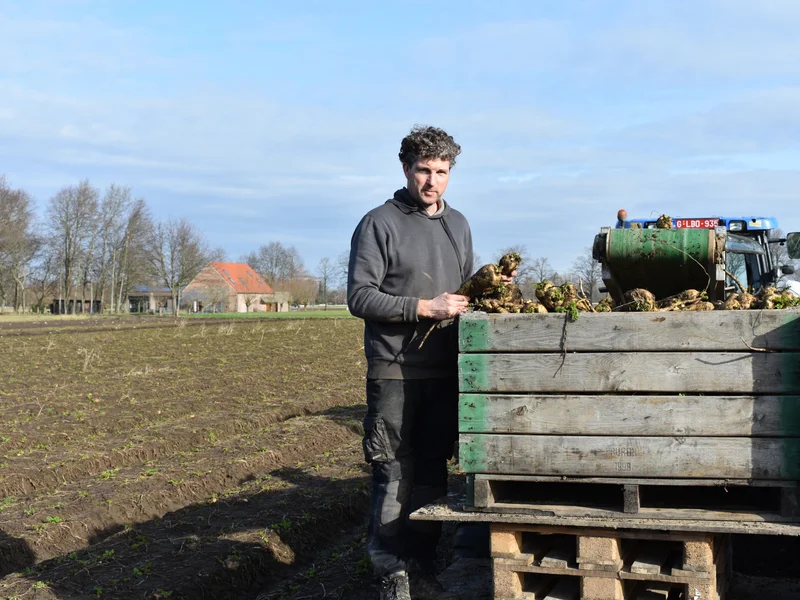
In 2014, Bart took over the business from his parents-in-law. He grows black radish, parsnip and sweet potato.
-
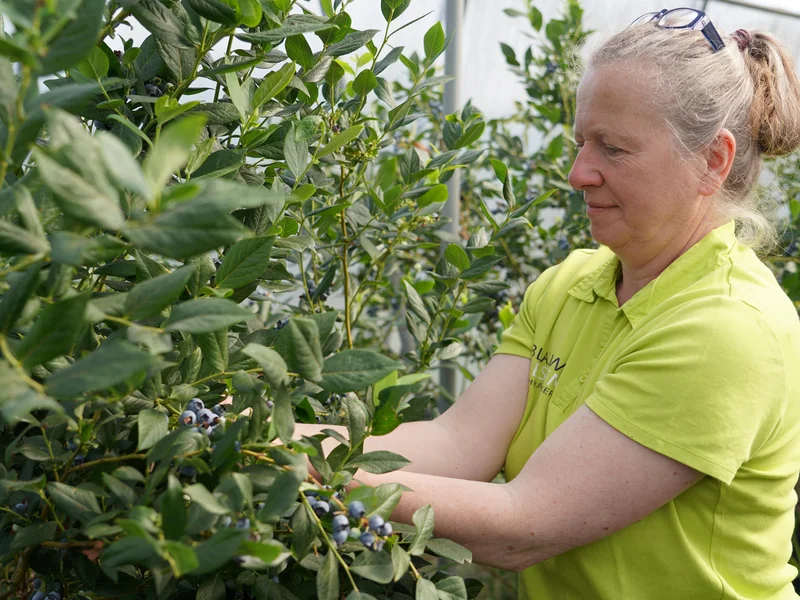
As passionate fruit growers, Ruth and Frans Schrijnwerkers devote themselves every day to growing healthy, flavoursome...
-
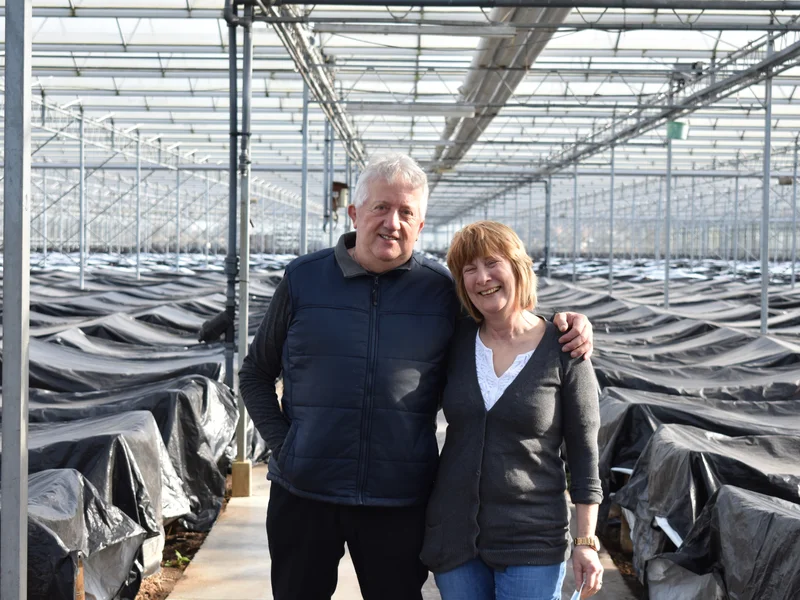
Jos and Frieda Belmans originally grew tomatoes. In 1995, they switched to growing asparagus.
-
-
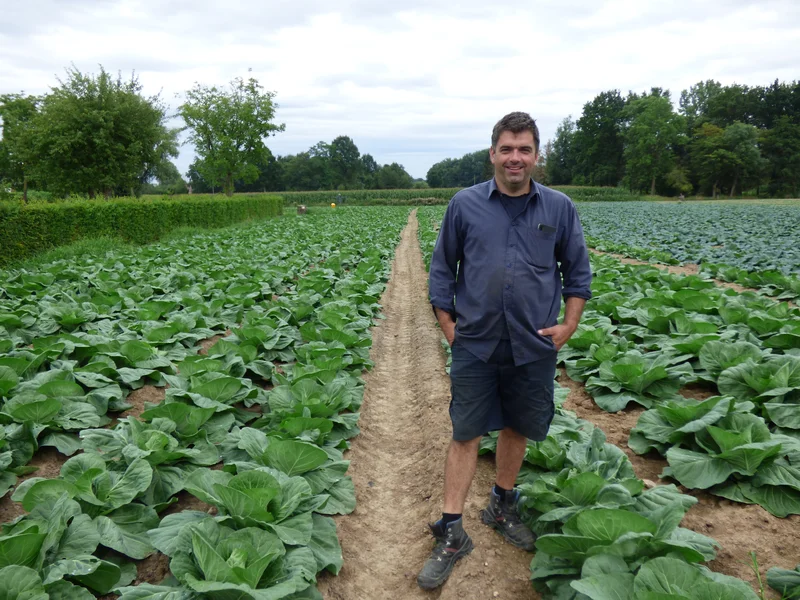
Koen and Nathalie run a small family farm in Beverst. They grow a variety of crops all year round.
-
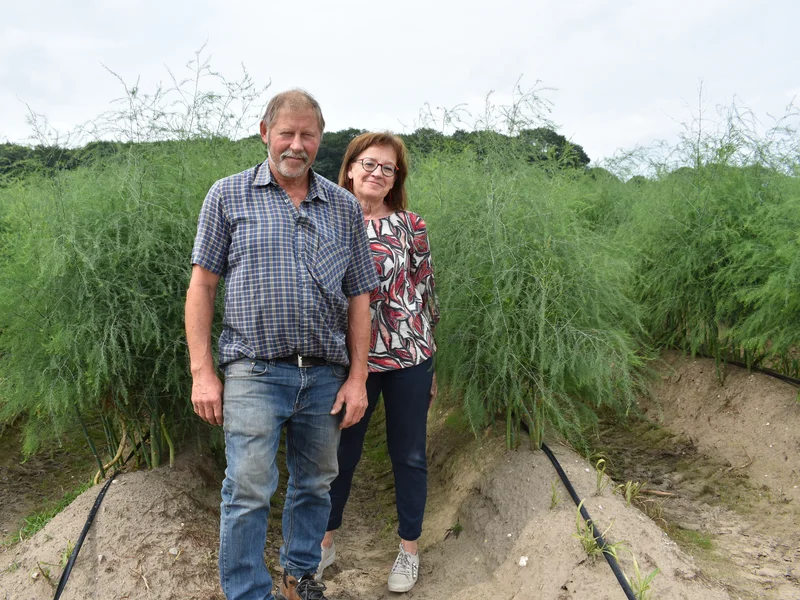
The Bries-Tijskens family has been growing asparagus since 1986.
-
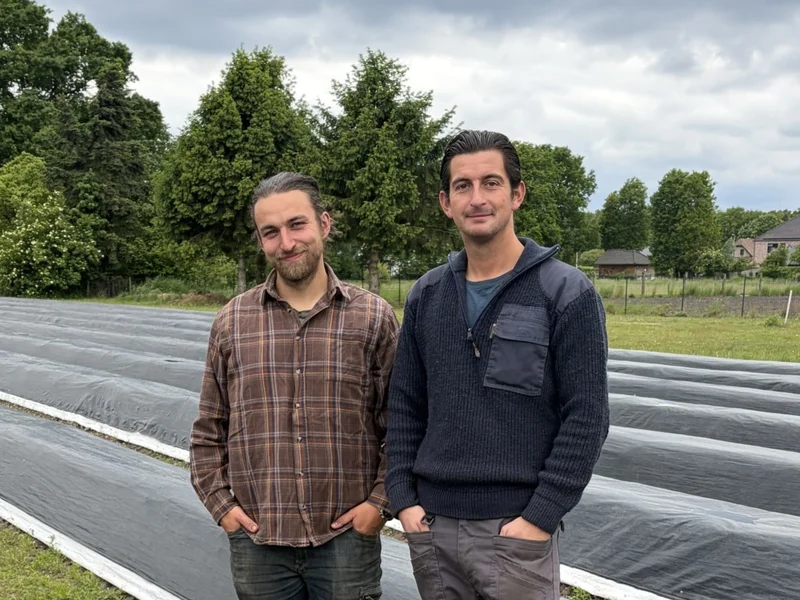
Brugmans Asperges is a family story that has been running for more than 41 years. It began in 1985 with Caroline and...
-
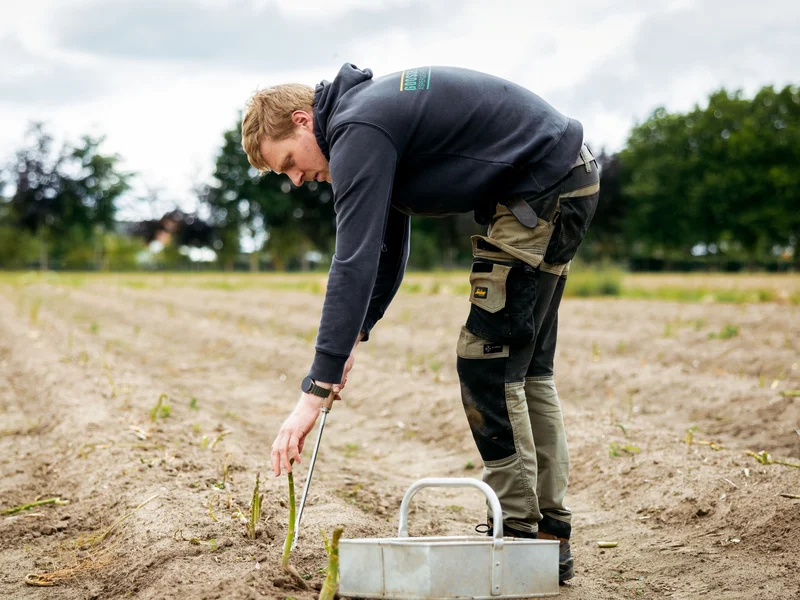
In the heart of Malderen, you’ll find the family business run by Marc Goossens and his sons, Dominiek and Vincent...
-
Johan and Karin Magnus both come from farming backgrounds. In 1983, the couple started a chicory farm in Brussegem...